A guide to bringing beauty, balance, and a little nature into your home.
A beautifully styled table does more than provide a place to gather. It sets the mood, invites conversation, and creates an experience that guests remember long after the evening ends.
As a floral and landscape designer, I've always believed that flowers have a remarkable ability to transform a space. Whether it's an elaborate wedding celebration, an intimate dinner with friends, or simply a vase of freshly gathered flowers on the kitchen table, botanicals bring warmth, life, and a connection to nature into our homes.
But creating a memorable tablescape involves more than arranging beautiful flowers. It's about understanding how color, texture, scale, lighting, and the thoughtful layering of elements work together to create a cohesive design.
And perhaps most importantly, it's about knowing when less is more.
Here are some of the design principles I use in my work at Sweet Earth Co., along with ideas you can incorporate into your own home.
Start with the Experience, Not the Flowers
When I'm designing a tablescape, my first consideration isn't the flowers, linens, or decorative accessories. It's understanding the purpose of the gathering.
Before choosing a single design element, I ask a few important questions:
What's the occasion? Is it a formal celebration or a casual dinner among friends?
Who will be attending, and how many guests are expected?
What's the shape and size of the table?
Will dinner be plated, served family-style, or presented as a buffet?
What food and beverages will be served?
What atmosphere do we want to create?
These practical considerations help guide the design.
For example, a family-style dinner requires enough open table space for serving dishes to be passed comfortably. An intimate dinner might call for softer lighting and smaller floral arrangements that encourage conversation. A formal celebration may allow for more elaborate layers of linens, glassware, and decorative details.
The goal is always the same: create something beautiful that also functions effortlessly.
The Art of Balance and Layering
One of the most important principles I teach in my floral design and tablescaping workshops is the relationship between balance and layering.
A memorable table should feel curated, not cluttered.
Layering introduces depth and visual interest through a combination of textures, patterns, shapes, colors, and materials. Balance ensures those elements work harmoniously rather than compete for attention.
Begin with an Anchor
I often begin with a table runner, which creates a visual foundation for the design.
A soft linen runner might establish a relaxed, organic atmosphere, while delicate lace can introduce romance and refinement. From there, I build the composition with flowers, candles, glassware, and other decorative elements.
But your anchor doesn't have to be traditional. A collection of terrariums, a botanical garland, seasonal branches, or even a rustic wooden plank can provide a wonderful starting point.
Create Interest Through Texture
Texture is one of my favorite tools for creating visual interest.
Think about the contrast between a softly woven linen runner and polished glassware, the smooth surface of a ceramic vessel against feathery foliage, or the delicate petals of a flower beside weathered wood.
These contrasts give a design richness and dimension.
Texture can be subtle or dramatic, but it should always feel intentional.
For a deeper look at this important design principle, explore my article, Elements of Design: Texture.
Embrace Negative Space
One of the most common mistakes I see when teaching floral design is the tendency to overfill an arrangement. The same thing happens with tablescapes: too many decorative objects competing for attention.
I encourage my students to embrace negative space — the intentional open areas within and around a composition.
Negative space allows individual flowers to shine. It highlights their natural shapes, movement, and unique characteristics.
On a table, it creates visual breathing room and helps the eye appreciate the relationship between the various design elements.
Sometimes removing just one or two elements can make the entire composition more impactful.
Let Nature Inspire Your Tablescape
Flowers are often the stars of a tablescape, but I encourage people to think beyond traditional floral arrangements.
Botanical elements can include branches, leaves, moss, pinecones, herbs, fruits, vegetables, and other seasonal treasures.
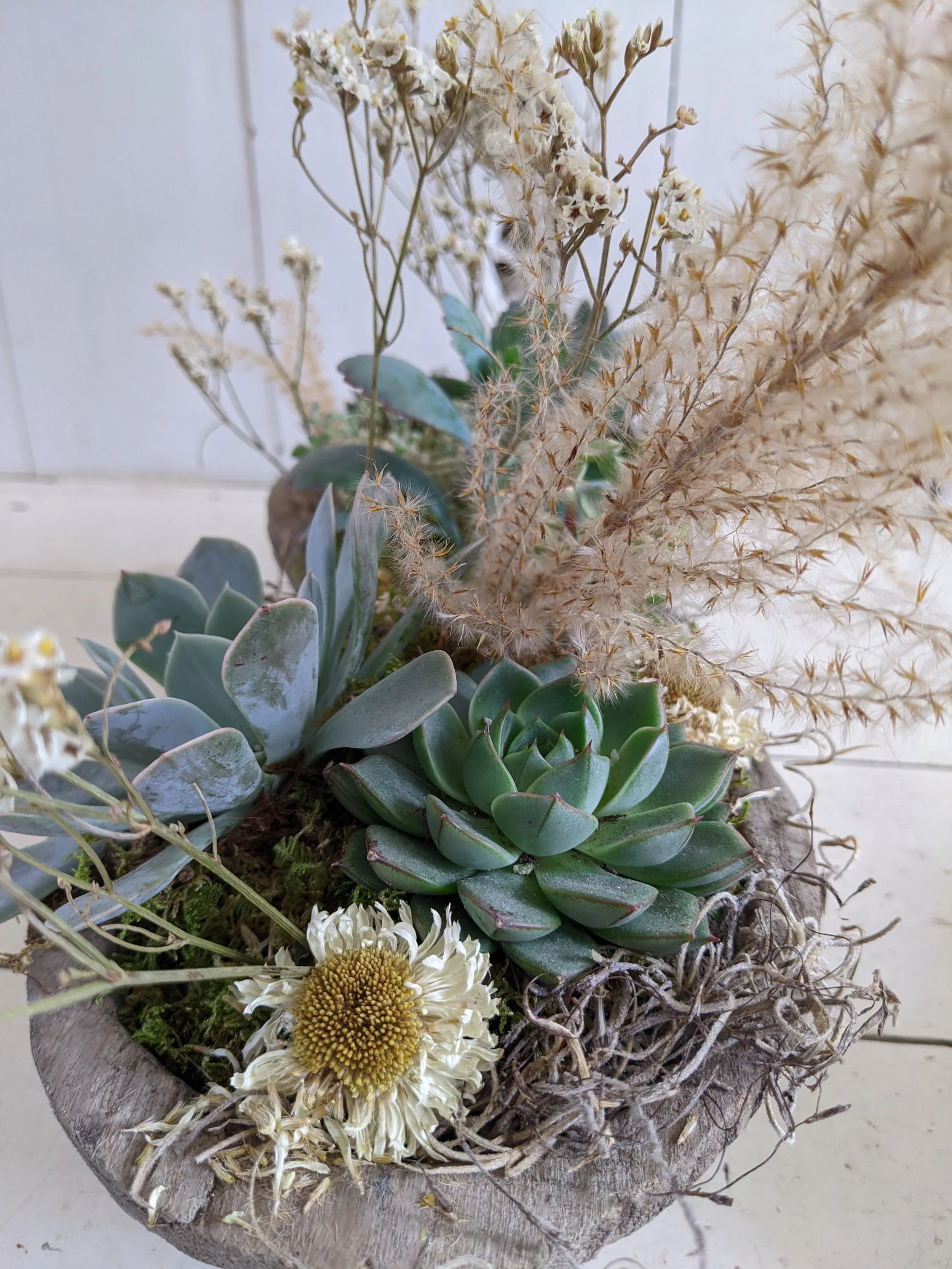
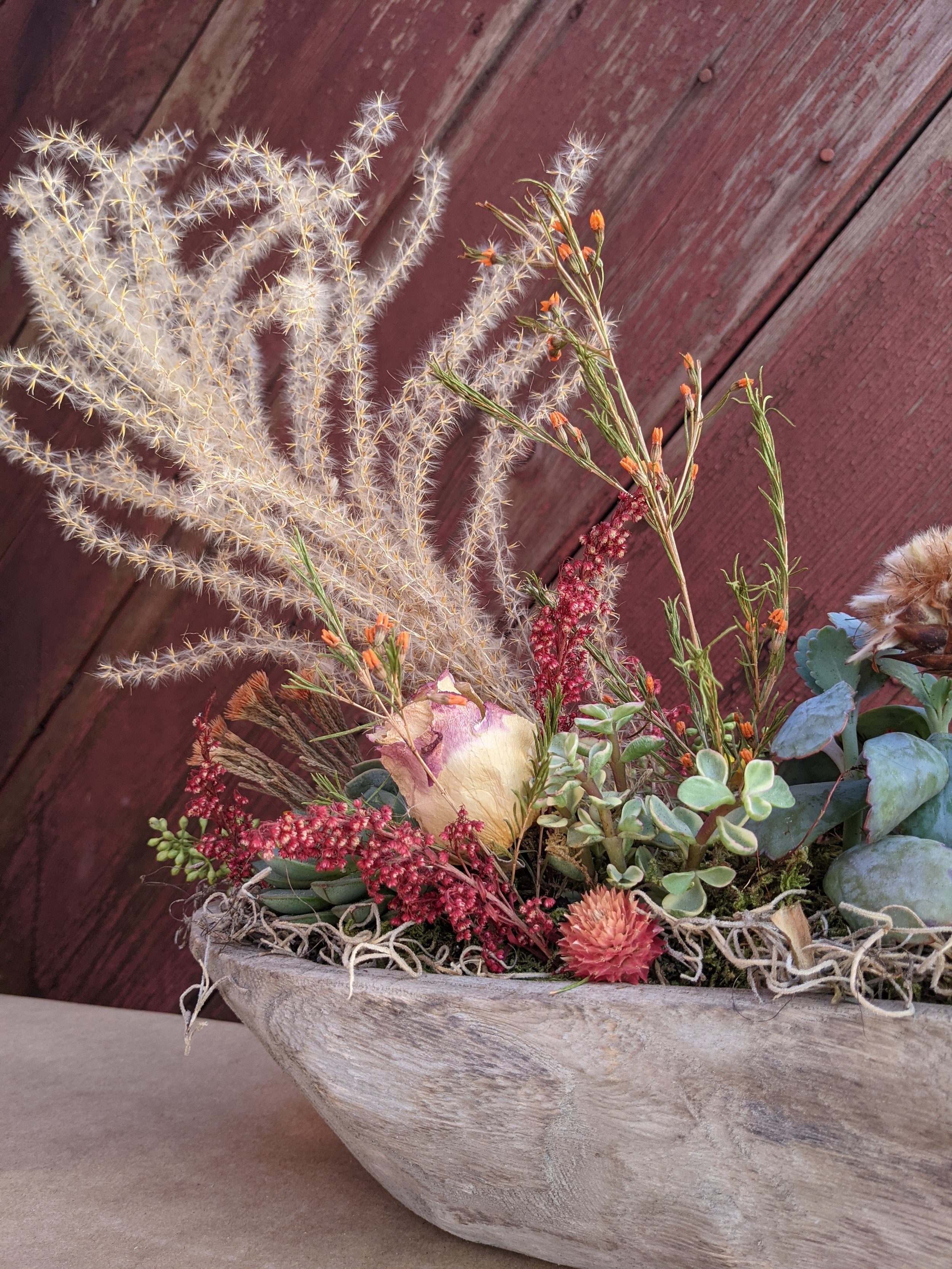
These materials add wonderful texture and help connect the table to the natural world.
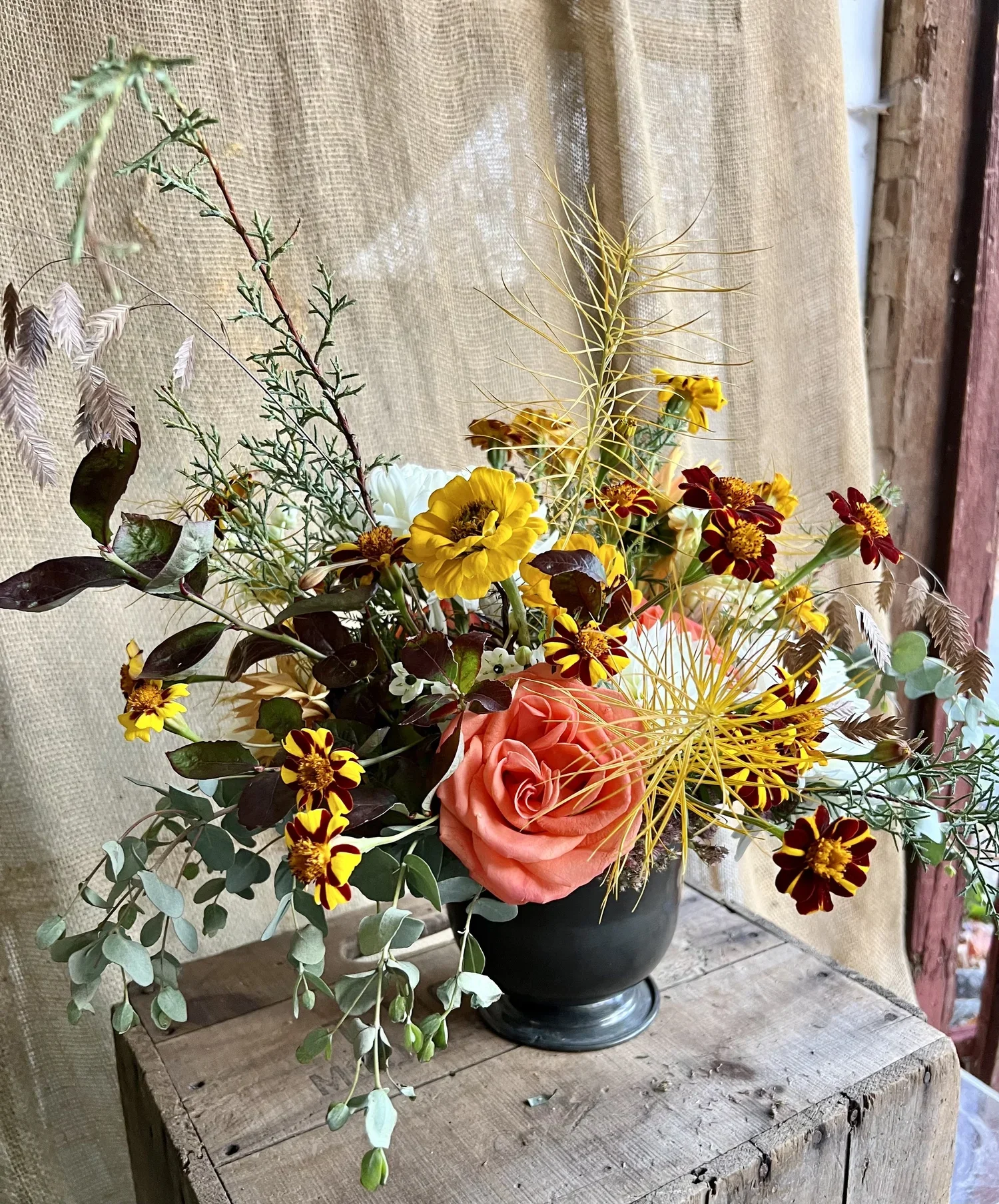
In autumn, I love incorporating pumpkins, colorful foliage, berries, and seasonal flowers. In spring, flowering branches, delicate blossoms, and fresh greenery can create a lighter, more airy composition.
The possibilities change with the seasons, which is part of the joy of designing with nature.
Think Beyond the Centerpiece
Botanical elements don't have to remain in the center of the table.
Consider incorporating them into individual place settings, napkin treatments, chair decorations, or even overhead installations.
A sprig of rosemary tucked into a napkin, a small flower placed at each setting, or greenery draped across a chandelier can create an unexpected and memorable detail.
These small touches often make the greatest impression.
Two Tablescapes, Two Very Different Stories
While the underlying design principles remain consistent, every gathering presents an opportunity to create something unique.
Two of my favorite examples illustrate how flowers, texture, lighting, and personal details can transform a table.
A Romantic Garden Wedding: Love and Light
For a wedding held beneath a tent in a garden setting, the desired aesthetic was romantic, refined, and garden-inspired.
Our design concept centered around love and light.
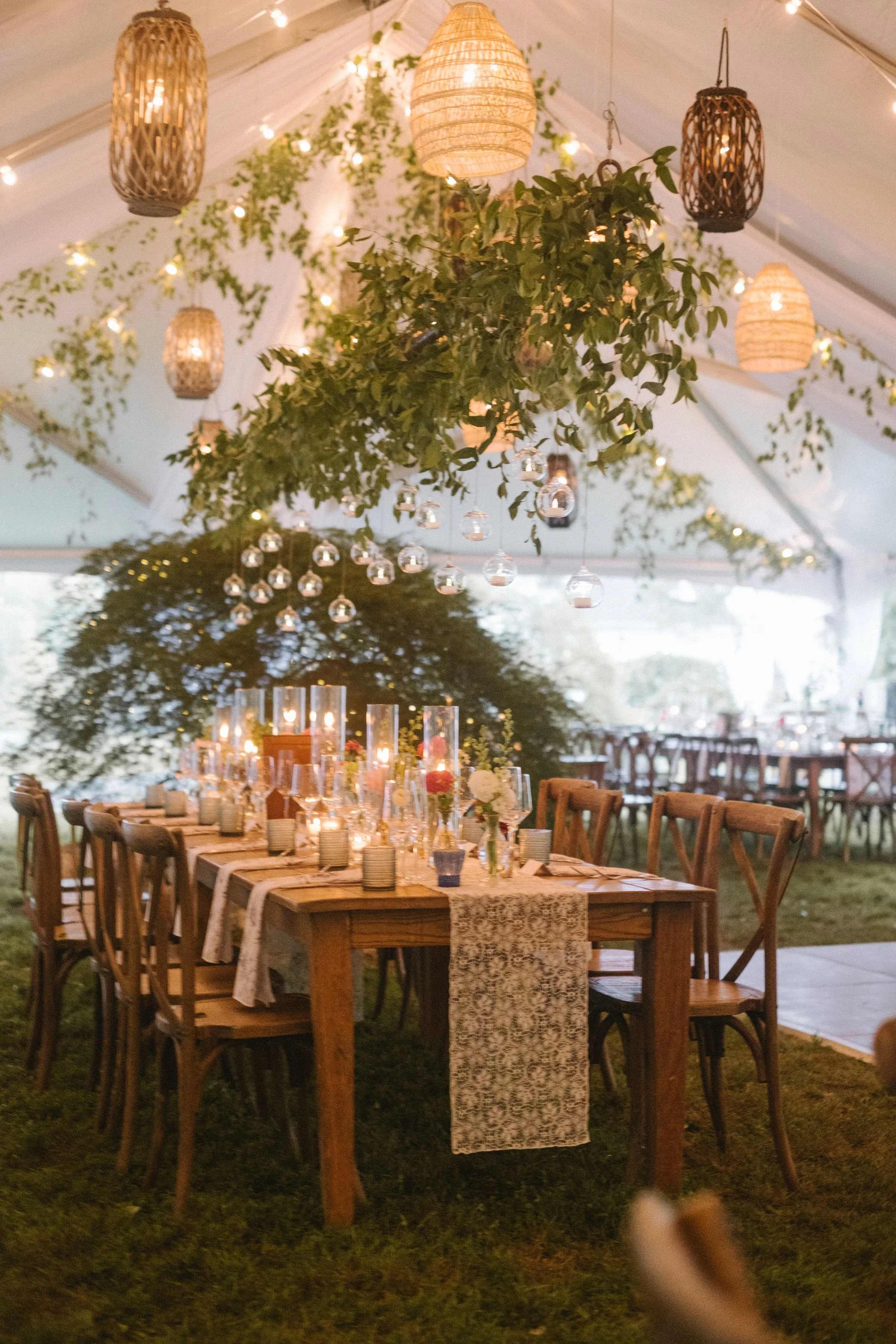

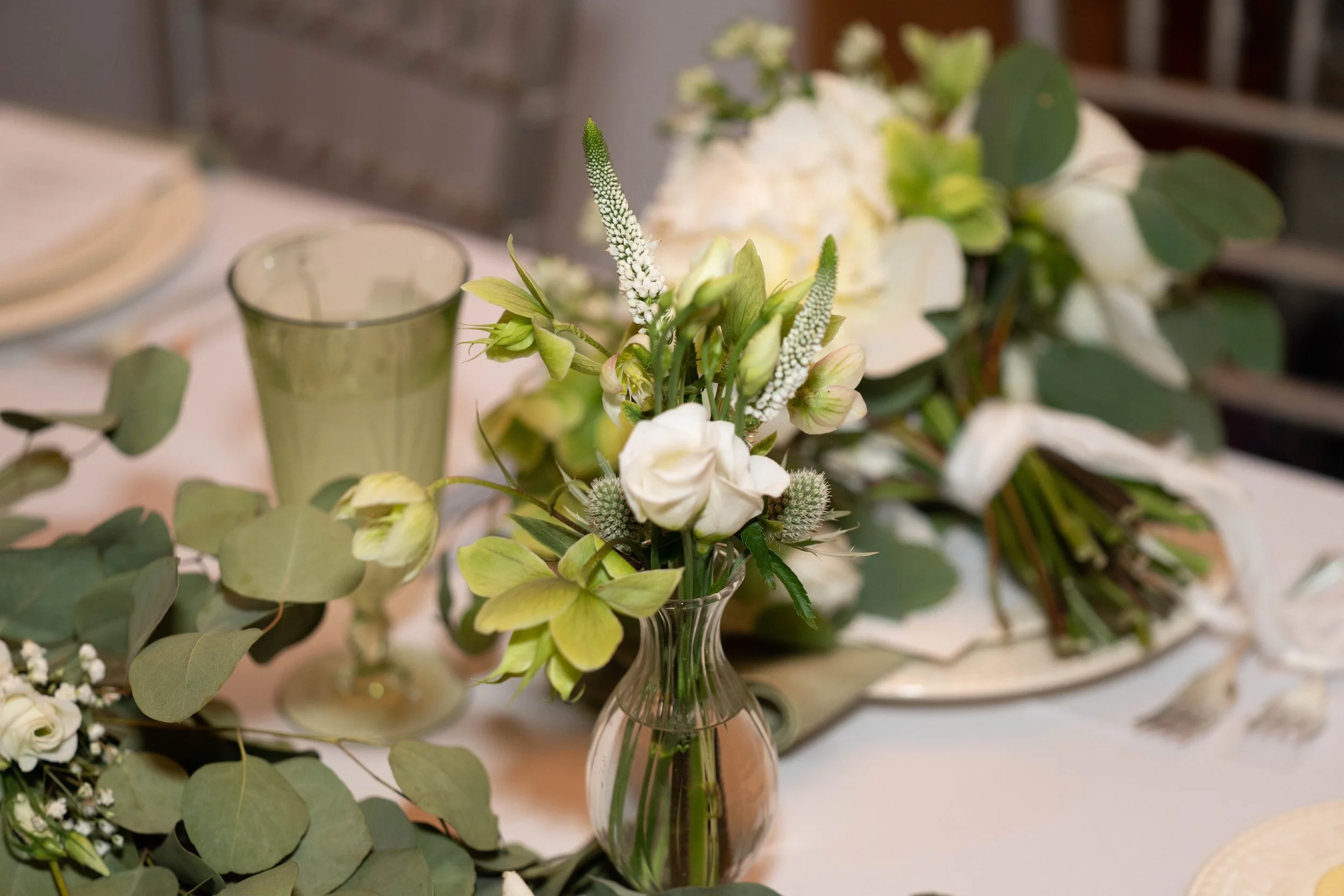
We began with a delicate lace runner that extended along the tables, establishing a soft, romantic foundation. Vintage glassware added character and elegance.
Rather than using large, traditional centerpieces, we created a series of small, garden-inspired arrangements in bud vases, interspersed with candles.
Together, the flowers and candlelight formed a continuous ribbon down the center of the table.
The effect was intimate and romantic, with just enough movement and variation to keep the design interesting.
Importantly, we kept the floral arrangements relatively low—generally under 12 to 15 inches—so guests could easily see and converse with one another.
After all, flowers should enhance the gathering, not become an obstacle to conversation.
A Thanksgiving Table: Seasonal Beauty and Personal Touches
For a Thanksgiving gathering, we took a very different approach.
The farmhouse table provided the perfect setting for a richly textured, autumn-inspired design.
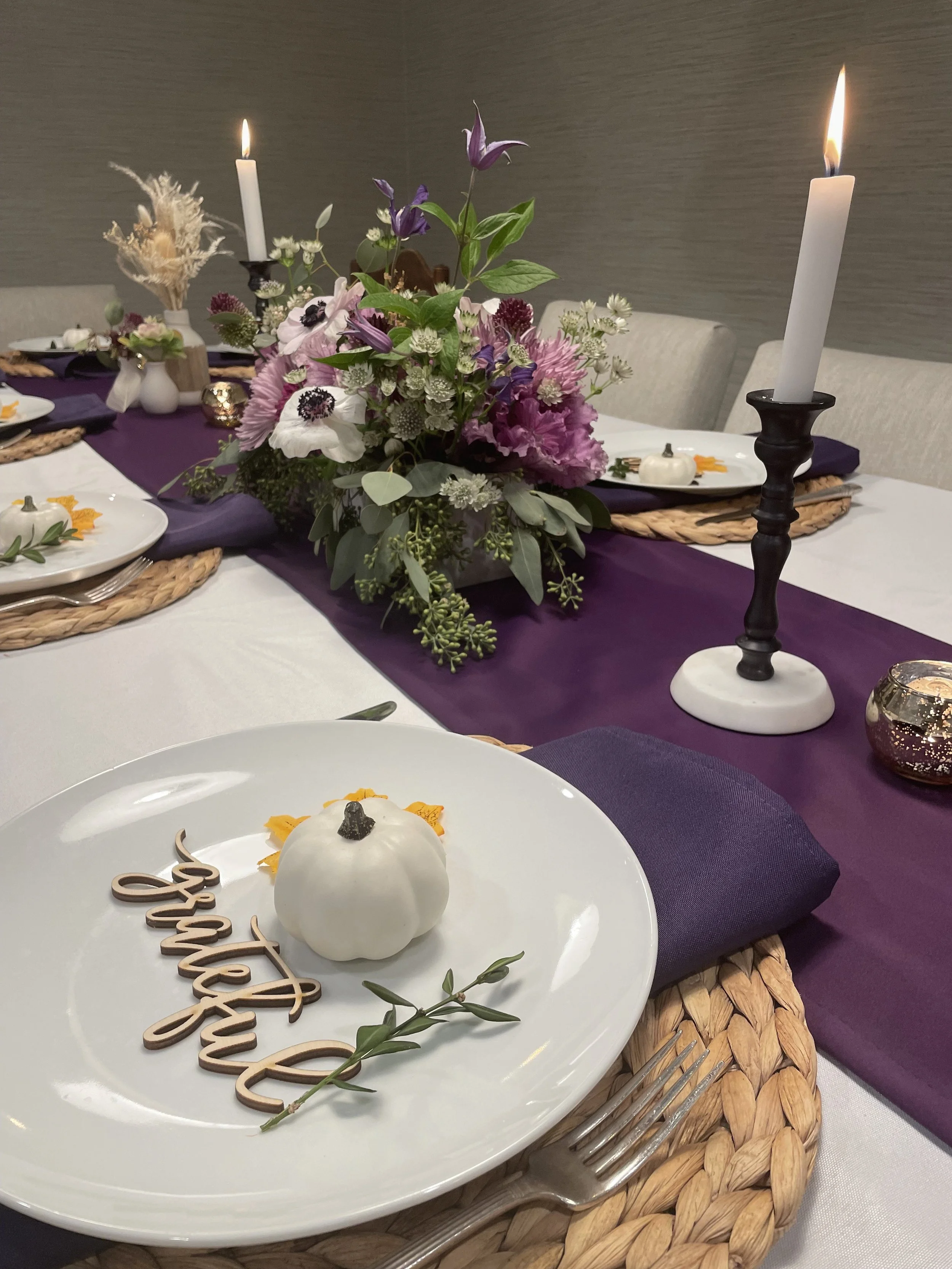
We began with a natural linen runner, layering long, low floral arrangements with seasonal greenery, miniature pumpkins, candles, and votives.
The flowers and botanical elements brought the warmth and color of the season indoors, while candlelight added an inviting glow.
To extend the design beyond the tabletop, we incorporated greenery into the chandelier overhead. This created a beautiful visual connection between the table and the surrounding room.
One of my favorite details was also one of the simplest.
At each place setting, we placed a miniature pumpkin with the guest's name written in gold marker.
It was a small, personal gesture that made each guest feel especially welcome.
And that's something I always emphasize: personalization is what transforms a beautifully decorated table into a memorable experience.
Choosing Flowers That Complement Your Space
Whether designing a tablescape or styling an entire room, I consider flowers an integral part of the overall composition.
Their colors, shapes, textures, and scale should complement the surrounding environment.
Consider Color and Mood
Color has a powerful influence on atmosphere.
A palette of soft creams, blushes, and muted greens can feel serene and romantic. Rich jewel tones introduce drama and sophistication, while vibrant, contrasting colors bring energy and playfulness.
I generally recommend starting with one or two dominant colors, then introducing complementary or contrasting tones for interest.
You might choose flowers that echo the colors already present in your linens, artwork, or furnishings.
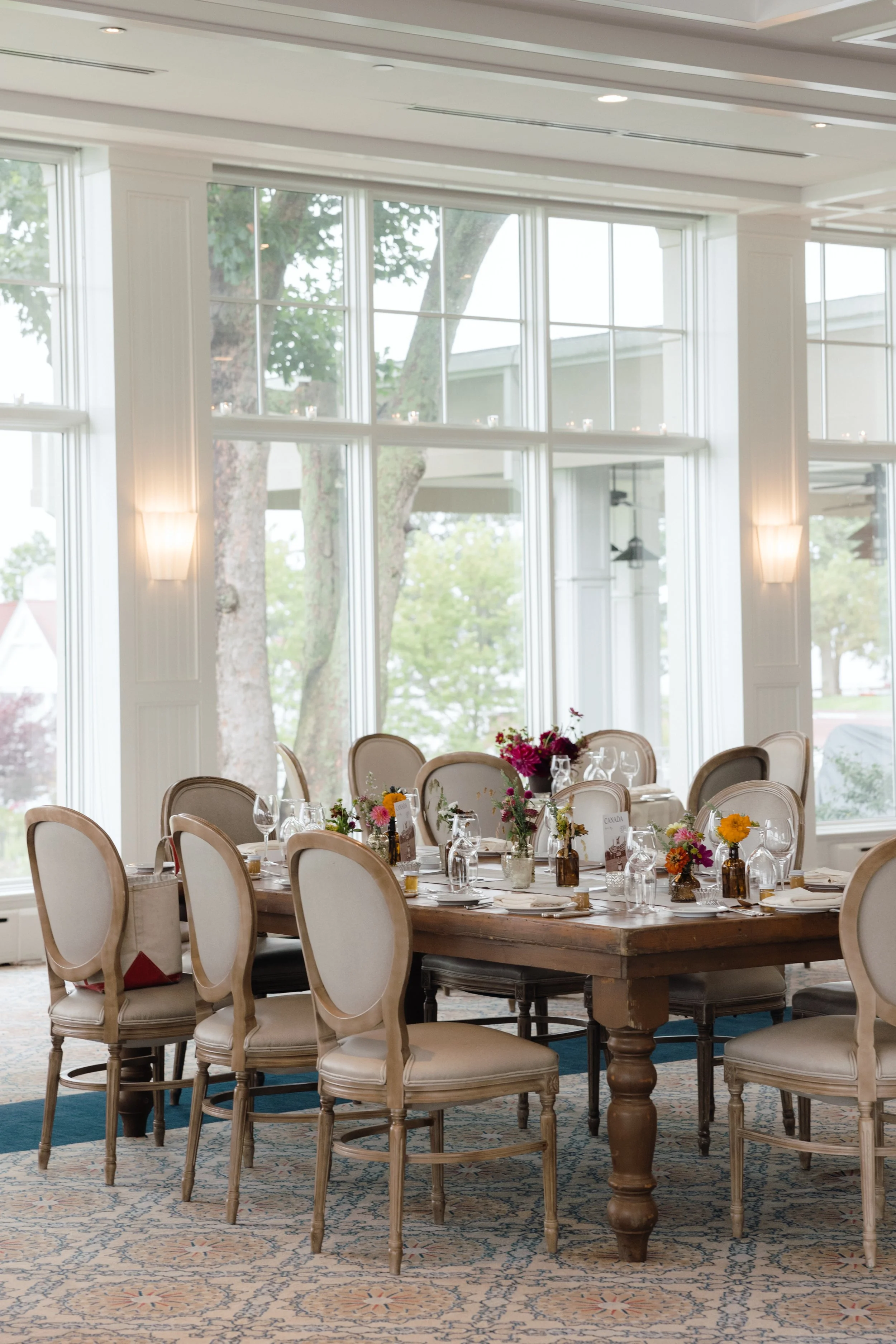
Or you might introduce an unexpected pop of color that becomes a focal point.
There are no rigid rules, but there should be a sense of intention behind your choices.
Pay Attention to Scale and Proportion
The size and shape of an arrangement should relate to the space it occupies.
For dining tables, I favor low arrangements that allow guests to see across the table, or tall, airy compositions that leave sightlines open.
For long farmhouse tables, several smaller arrangements or an elongated centerpiece often work beautifully.
On a coffee table, a compact arrangement paired with a plant or a few carefully chosen objects can create a lovely composition without overwhelming the surface.
The key is to consider the arrangement as part of the larger room rather than an isolated decorative object.
Living with Flowers: Bringing Nature Into Every Room
I believe fresh flowers (and even dried flowers) are an important part of creating a welcoming home.
They add warmth, ambiance, and a sense of life that few other decorative elements can replicate.
In my own home, flowers are not reserved for special occasions. They're part of everyday living.
The Entryway: Set the Tone
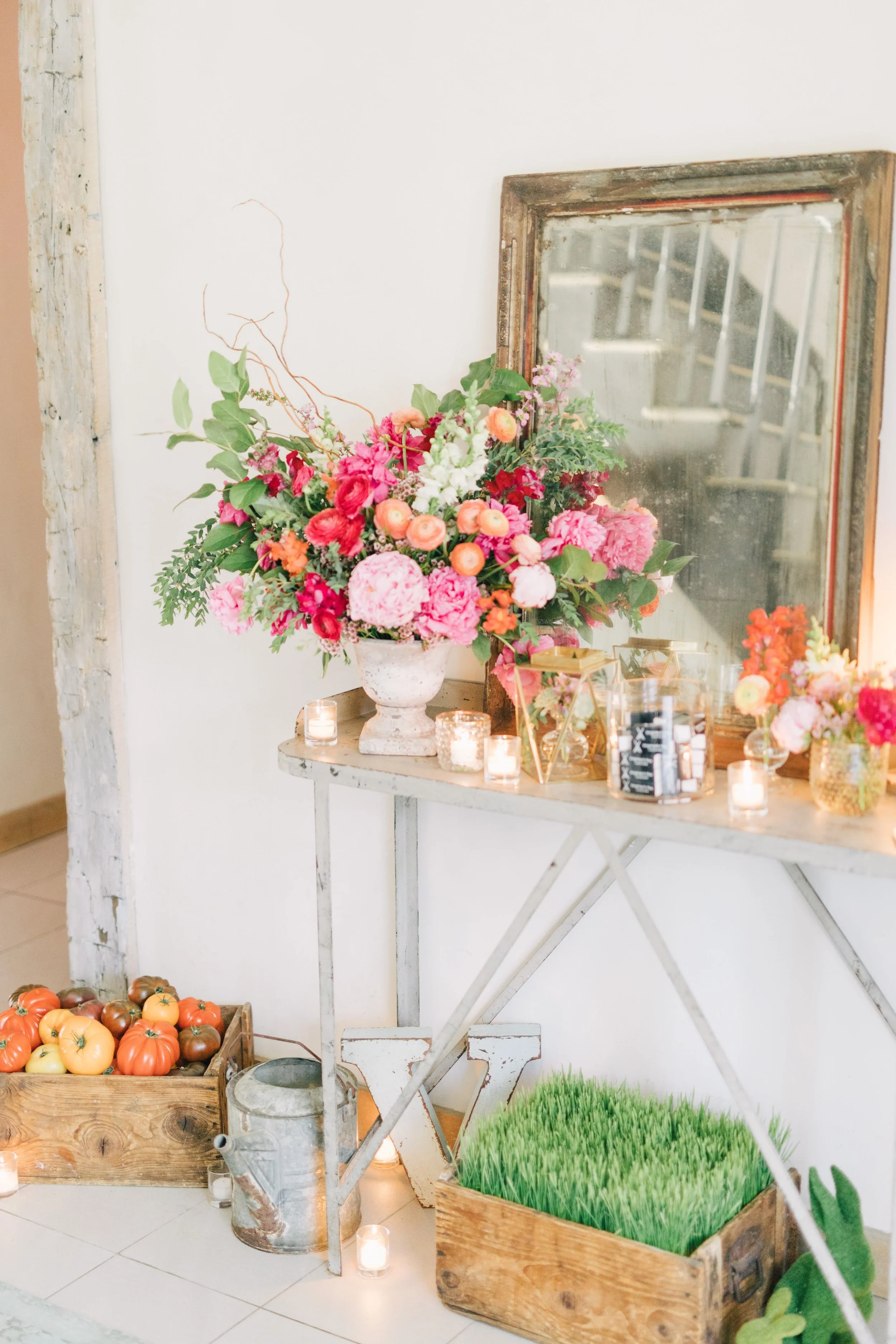
An arrangement in the entryway or on a welcome table is one of my favorite ways to greet guests.
It's the first impression of your home and an opportunity to establish its personality.
I particularly enjoy using natural elements, combining flowers with interesting foliage, branches, and seasonal materials.
The arrangement doesn't have to be elaborate. It simply needs to feel welcoming and thoughtfully placed.
The Living Room: Layer Flowers and Plants
In the living room, I like to combine floral arrangements with potted plants.
A coffee table might feature a seasonal arrangement alongside a plant, while smaller bud vases bring little moments of beauty to side tables.
Mixing plants and cut flowers introduces different forms, heights, and textures, creating a more natural, collected look.
The Dining Room: Beauty Beyond Mealtime
There's almost always a floral arrangement on my dining table, whether we're sitting down for dinner or not.
It establishes the dining table as a focal point and adds warmth to the room.
When the table isn't being used for a meal, you have greater flexibility with height and scale. When entertaining, simply adapt the arrangement to accommodate your guests and place settings.
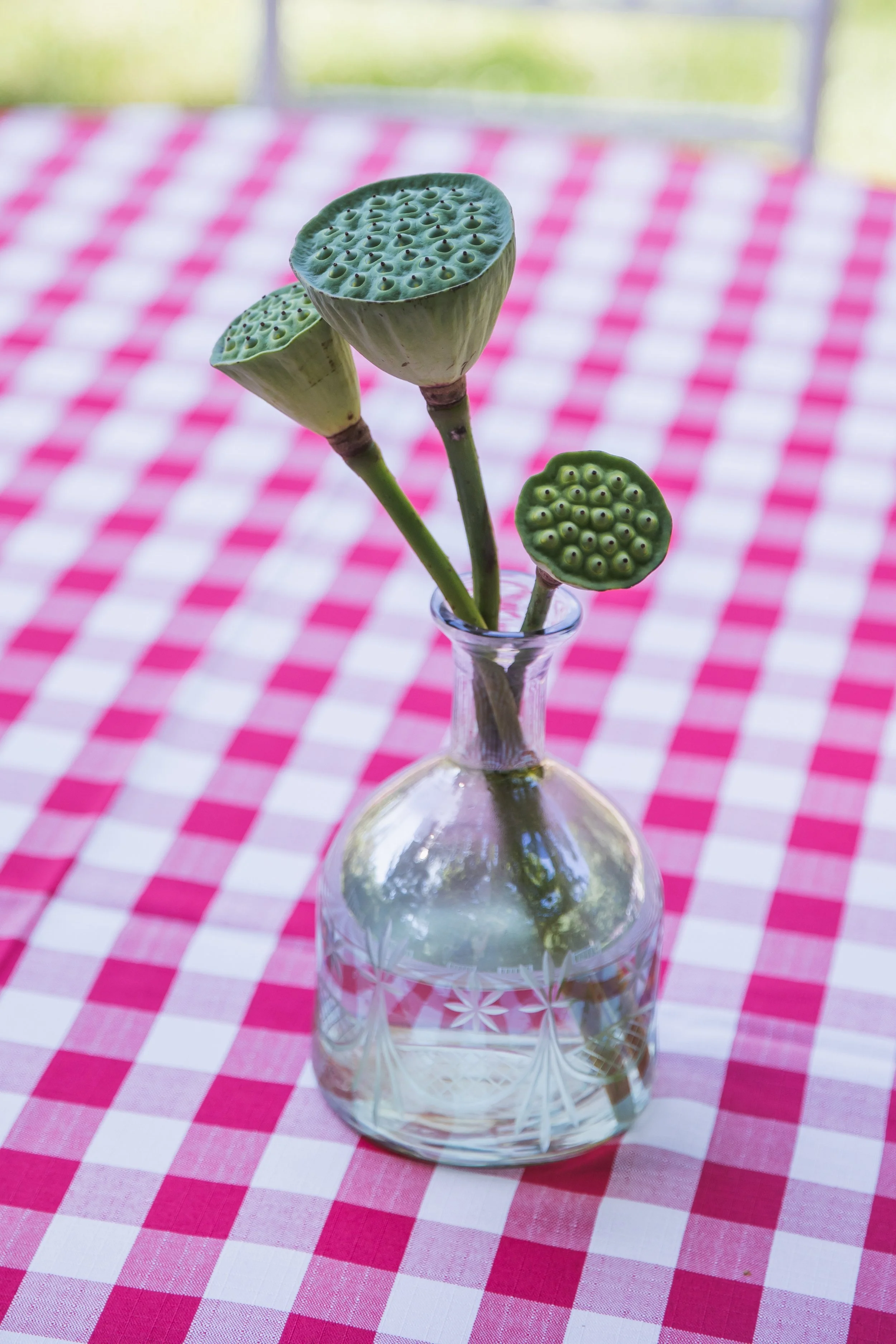
Unexpected Places: Small Moments of Beauty
I also love placing bud vases throughout the house, including in the bathroom.
A single beautiful stem on a bathroom vanity or a small arrangement on a bedside table can make an ordinary space feel special.
You don't need an abundance of flowers to make an impact.
Sometimes one thoughtfully placed bloom is enough.
Don't Forget the Atmosphere: Lighting, Music, and Mood
A beautifully designed table is only one part of a memorable gathering.
I encourage people to think about the entire sensory experience.
Lighting, music, and the surrounding room all contribute to how a space feels.
Candles are among my favorite elements to incorporate into tablescapes. Their soft, flickering light creates warmth and intimacy, while the vessels themselves add another layer of texture and visual interest.
Think about the lighting in the rest of the room as well. Soft lamps and dimmed overhead lighting can help create a welcoming atmosphere.
Music is another important consideration. Whether you're hosting a lively celebration or an intimate dinner, the right background music helps establish the mood without overwhelming conversation.
And don't forget the relationship between the table and the surrounding space.
A chandelier adorned with greenery, flowers on a nearby sideboard, or a welcoming arrangement in the entryway can help create a cohesive experience as guests move through your home.
The most successful designs engage more than just the eye.
Creating a Beautiful Tablescape Doesn't Have to Be Complicated
You don't need expensive flowers, elaborate tableware, or an extensive collection of decorative accessories to create something special.
Start with what you have, and let the season inspire you.
Here are a few of my favorite tips:
Begin with purpose. Consider the occasion, the guests, and how the table will be used.
Choose a cohesive color palette. Start with one or two dominant colors and build from there.
Layer thoughtfully. Combine contrasting textures, shapes, and materials for visual interest.
Incorporate seasonal botanicals. Flowers, branches, foliage, fruits, and vegetables can all contribute to the design.
Respect negative space. Give each element room to be appreciated.
Keep conversation in mind. Make sure arrangements don't obstruct sightlines or interfere with dining.
Personalize the experience. A handwritten place card or thoughtful botanical detail can make guests feel welcome.
Consider the entire room. Lighting, music, and surrounding decorative elements are all part of the experience.
Most importantly, remember that the goal isn't perfection. It's creating an inviting space where people feel comfortable, connected, and inspired.
Gather, Create, and Celebrate the Season
At Sweet Earth Co., I love sharing the principles of floral design and tablescaping through our hands-on workshops.
Our Wine & Design: Thanksgiving Tablescape Workshop is an opportunity to explore the art of seasonal tablescaping, combining flowers, botanicals, and thoughtful design elements to create something beautiful for holiday entertaining.
And if you'd rather leave the flowers to us, you can preorder our Thanksgiving Floral Arrangements, thoughtfully designed at our flower farm in Connecticut's Litchfield Hills to bring seasonal beauty and warmth to your holiday table.
A Final Thought: Beauty Is in the Details
Whether I'm designing flowers for a wedding, creating a holiday tablescape, or simply placing a few fresh stems in my home, I return to the same principles: balance, layering, and intention.
Flowers bring nature indoors, but it's the thoughtful relationship between all the elements—color, texture, scale, lighting, and even music—that creates an atmosphere.
A beautifully designed space doesn't need to be elaborate. It needs to feel welcoming, personal, and connected to the people who inhabit it.
And sometimes, the most memorable detail is simply a flower placed exactly where it belongs.