Journal Entry from Xenia: A New Vision from Sweet Earth Co.
This blog post contains affiliate links, meaning I earn a small commission on purchases made through those links, at no extra cost to you. I only recommend things I love.
The Vision
Since I started Sweet Earth Co. in 2012, I’ve been guided by a vision of We Grow, We Design, We Teach.
I’ve always found peace and joy out in the fields, growing flowers and herbs and designing with my homegrown blooms. I also have the passion to teach what I know with others, because flower farming and eco-gardening has such a positive impact on us and the environment.
And that vision is continuing, but also growing…on a new farm!
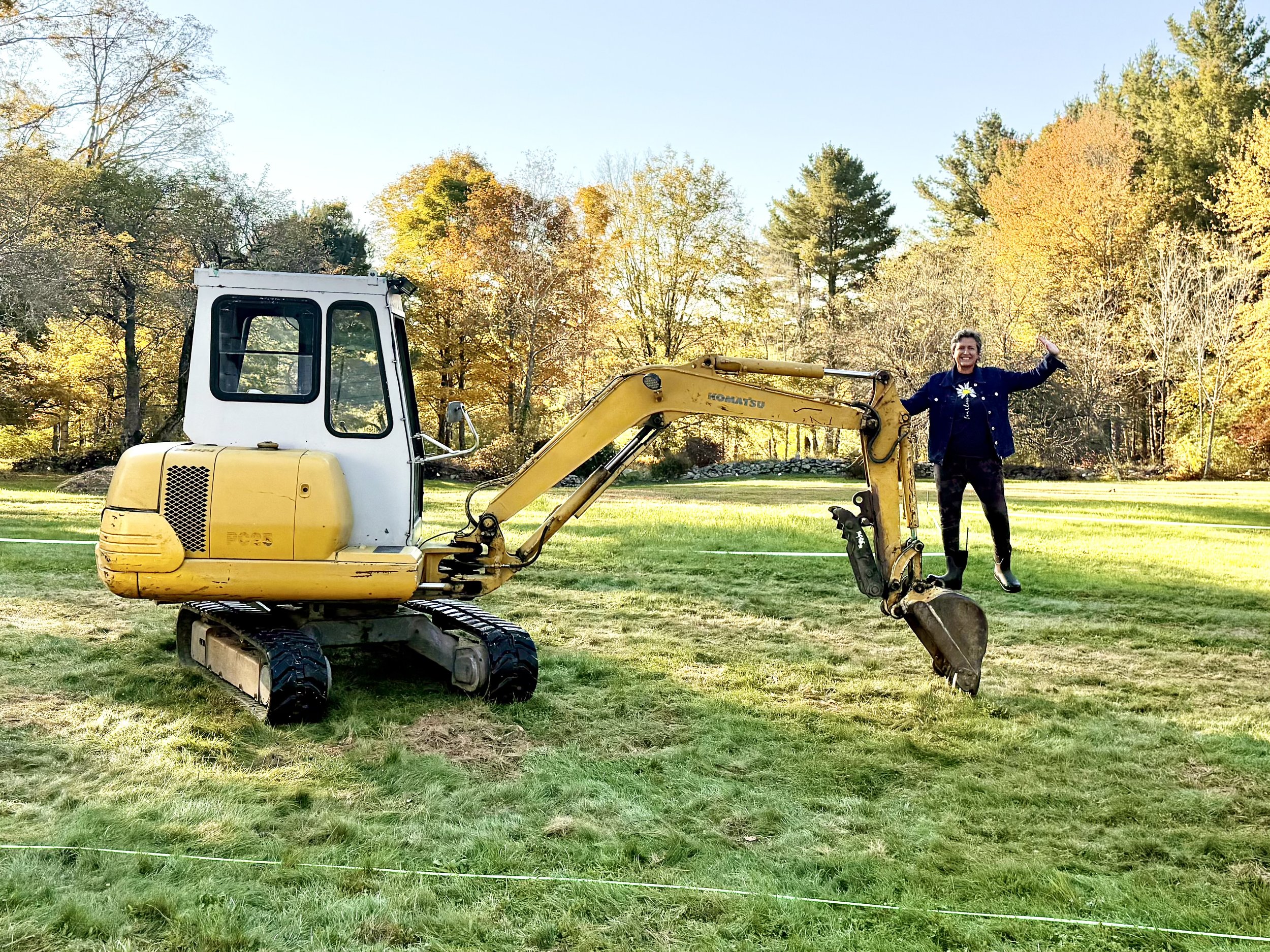
We recently moved to Litchfield County, Connecticut from New York. With that comes new crops for new markets, new acreage with wooded areas and trails, and new ideas to expand Sweet Earth into the ecotourism space.
In addition to selling flowers and workshops, I want to offer a place for people to connect with nature through forest therapy, yoga, retreats, and other outdoor-focused activities.
I’m sharing more of this expanded vision in this Sunday Stroll video. Subscribe on YouTube to follow along each week as I share what’s happening on the flower farm to bring this vision to life.
The Fields
At the time of writing this, it’s winter on the farm. Snow covers the fields, the beds are at rest, and at first glance, it can feel like nothing is happening.
But this is actually when some of the most important decisions are made.
As I plan for the coming season on this new farm, I’ve been thinking a lot about what belongs here, and just as importantly, what doesn’t.
This year, I’m choosing to grow fewer varieties of flowers, but with much more intention. Fewer crops that do more. Flowers that thrive in this landscape, that support the work I’m building toward, and that create beauty not just in bouquets, but in experience.
That shift—toward fewer, more high-value crops—is coming to life with some fan favorites: peonies, dahlias, and roses, among others.
If you’d like to see more of this plan and how the fields will come to life, watch this Sunday Stroll video.
The Land
Along with planning, winter is the season when I walk more slowly through the land, without an agenda, to let it show me who it is.
On a new farm especially, that kind of listening matters. The edges, the low spots, the places where the wind shifts or the snow melts first—all of it carries information. Before I plant a single thing, I want to understand what this land is offering…and what it’s asking me to leave alone.
The landscape as a whole is made up of many smaller ecosystems with different needs.
One section of the land sits at the base of a slope, so I’ve built trenches around the beds to redirect water so the roots aren’t drowning.
Another area, at the shaded edge of the tree line, is a place that works beautifully for plants that suffer from heat stress, or as a place for people to gather.
Listening to the land also means knowing when not to intervene. Not every space needs to be productive. Leaving some areas wild supports biodiversity, creates a sense of calm, and supports the vision of people coming to spend time in a place that’s still a little wild—where nature is in charge.
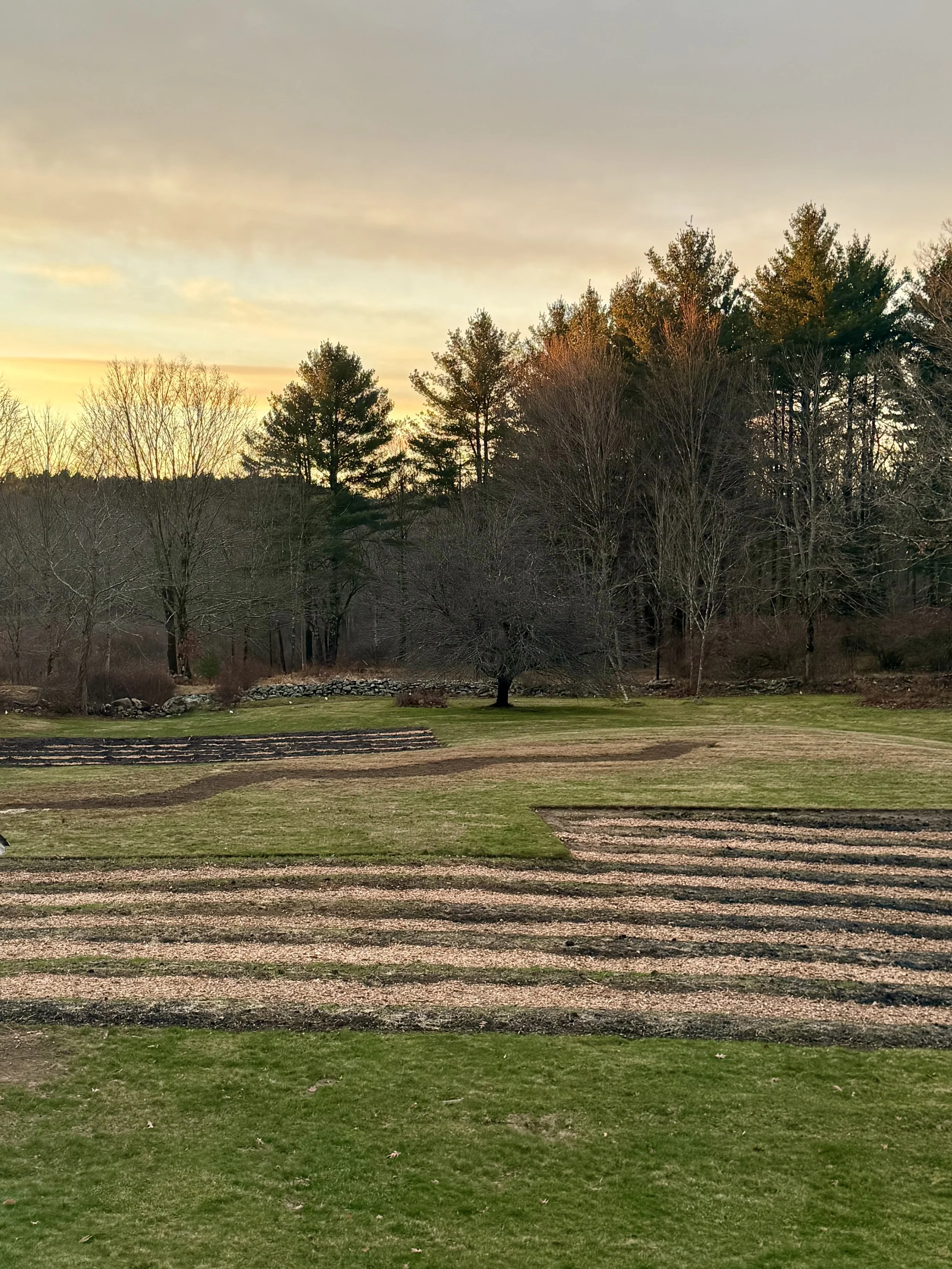
To see me walk the space and make some observations, watch this Sunday Stroll video.
The Inspiration
While winter is a wonderful time for planning and wandering, sometimes it’s just too cold to be outside. That’s when I spend time in another type of landscape: my bookshelves.
I love to flip through pages and revisit the wisdom of writers who have shaped the way I think about gardens, flowers, and farming. Some of the books have taught me something practical. Some have inspired me when I needed it most. And some have just reminded me why I fell in love with flowers in the first place.
Curl up with a cup of tea and give yourself permission to read and dream as part of the growing season. Here are a few favorites to get you started:
The Flower Farmers: Stories & Inspiration by Debra Prinzing & Robin Avni
Bringing Nature Home by Douglas Tallamy
Cool Flowers by Lisa Mason Ziegler
To see the whole tour of my bookcase, watch this Sunday Stroll video.
I hope you enjoyed this peek into the farm, and I’ll talk to you again soon.